
Fika Team
Frequent updates about Fika from the people who build it!
Latest posts from Fika's blog
-
Why Writing by Hand Is Good for You: Key Brain Benefits Backed by Research
Dec 13 ⎯ Today we are going to dive into one of the most discussed topics when it comes to writing and the brain; the profound and almost invisible benefits of writing by hand. Although handwriting may sometimes seem like a habit of the past, the truth is that its neurological impact remains remarkable. Unlike typing, writing by hand activates processes that involve emotional, cognitive, and motor areas in an integrated way. This activation not only helps reduce stress or work through internal conflicts, but also improves how we learn and organize information. How Handwriting Shapes Memory and Learning One of the most important mechanisms is motor memory. We learn more when we do, and writing is doing; it is turning thought into movement. Each letter traces a gesture, and that gesture becomes an imprint on the brain. That is why we tend to remember better what we write by hand. Graphomotor activity consolidates memory and learning, forcing us to reformulate what we understand and transform it into a logical, successive, and chronological order. Writing is thinking step by step. In addition, handwriting activates complex neural circuits; areas related to spatial perception, movement planning, idea organization, and mental sequencing. This has concrete effects on our overall cognitive ability, the way we learn, and the speed with which we process information. There is also a fundamental motor component. The coordination between hand and brain refines fine motor skills, improves movement precision, and helps slow down the motor deterioration that often accompanies old age or neurodegenerative diseases. When we write, we exercise a system that ages more slowly the more we use it. But the benefits of writing by hand are not just cognitive or motor-related. There is an emotional aspect that often goes unnoticed, yet it is one of the most powerful. When we write by hand, part of the limbic system is activated, the region of the brain that processes emotions, affective memories, stress responses, and links to our internal experiences. This means that the simple act of putting words on paper triggers a measurable emotional reaction; it reduces physiological tension, lowers the body's reactivity to stressful situations, and allows us to understand what we are feeling more clearly. Writing acts as a safe space where we can unravel complex emotions without feeling observed or judged. When the brain sees our emotions converted into language, it stops treating them as vague threats and begins to interpret them as manageable information. This transition, from chaos to clarity, has profound therapeutic effects; it reduces anxiety, organizes internal experiences, and helps us take emotional distance to see problems from a more balanced angle. In addition, writing forces the brain to slow down. And that emotional slowdown is important; it takes us out of autopilot, inhibits impulsive responses, and opens space for more honest introspection. When emotion slows down, something essential to mental health appears, the possibility of understanding ourselves better. And this is where we get to the heart of the matter, the emotional and creative role of handwriting. Why Writing by Hand Strengthens Emotional and Creative Brain Circuits Writing by hand is not a mechanical gesture; it is a complete sensory experience that involves attention, memory, and emotion. Every time we trace a word, the limbic system is activated. This region, which manages how we feel, how we remember, and how we interpret what happens to us, responds because writing requires translating internal experiences into visible language. That translation reduces stress because it turns the intangible into something concrete. hand writing brainWhen we write, our brain engages in a form of “external emotional processing”; we move from feeling without understanding to understanding what we feel. This explains why so many therapeutic practices include writing: because it helps regulate intense emotions, reorganizes scattered thoughts, and provides a safer framework for difficult experiences. At the same time, writing activates the right hemisphere, which is responsible for creativity, imagination, and symbolic perception. When we write, we don't just pour out ideas; we build new connections, unexpected links between memories, sensations, and concepts. Creativity arises right there; in that combination of structure (the hand, the word, the sequence) and freedom (association, intuition, interpretation). Writing by hand, by demanding a slower pace, gives the brain time to find those links. That is why handwriting not only organizes thought, it expands it. It allows us to understand ourselves better and, at the same time, imagine more.

-
The Audience Growth Challenge: Write, Share, Learn, Grow
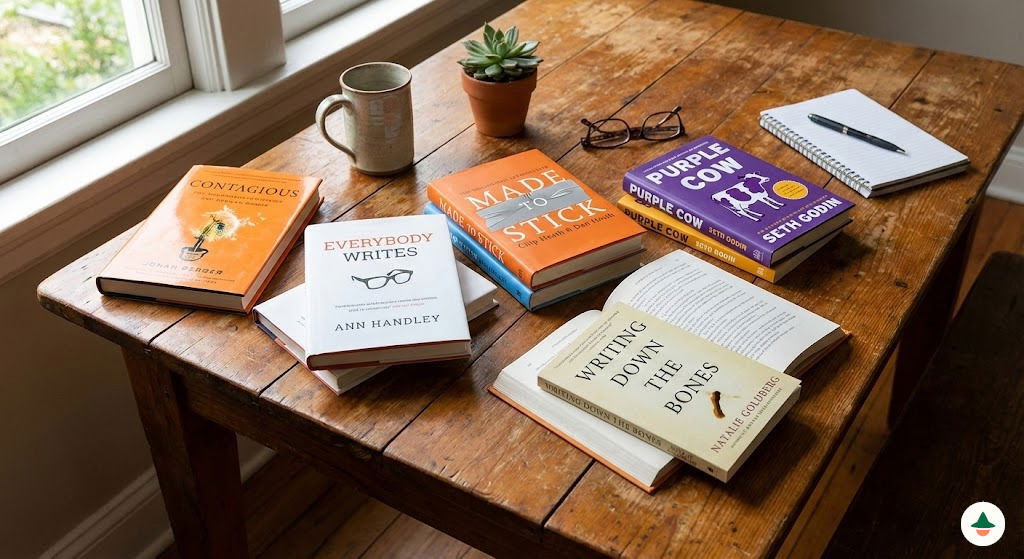
Dec 10 ⎯ The previous Fika Challenge was about consistency. Write four blog posts in thirty days and rediscover the habit of publishing. This new challenge focuses on something different. It is about learning how to reach readers, how to make your work travel, and how to grow a real audience around what you write. Starting today and running for one month From December 10, 2025, to January 9, 2026, , we launch the Audience Growth Challenge. Join the challenge here What changes this time There is no minimum number of posts. You can publish one or publish ten. What matters is that your posts are created and published during the challenge window. The goal is to grow your audience. This time the metric is simple: the number of new subscribers you attract through your writing and sharing during the month. To qualify as a finisher, participants must generate at least 25 new subscribers. Everyone who reaches that milestone will win a full year of Fika Premium. The winner will be the participant who generates the highest number of new subscribers during the challenge. Their prize will be a curated pack of books that inspired the spirit of this challenge: Purple Cow, Made to Stick, Contagious, Everybody Writes, and Writing Down the Bones Most writers publish in silence. Posts go out, a few views appear, and then the piece disappears into the long archive of the internet. This challenge is designed to break that cycle. Writing is only the beginning, audience building is the next step. This does not mean selling, it means storytelling, it means learning how to place your ideas in front of people who might care, it means understanding what turns a casual reader into someone who wants to follow your work. Nothing in this challenge dictates where or how you must share. You choose your channels. You choose your voice. The purpose is to experiment, learn and discover what works for you. What you will practice Throughout the month you will learn how to: Write with intention and a clear reader in mind. Shape posts that are memorable, surprising or useful. Use stories to create connection and trust. Make your work discoverable without feeling forced. Invite people to follow your journey. Observe how readers behave and adjust based on what you learn. The goal is not volume or perfection. It is understanding. To participate, create a free account here Rewards For everyone who reaches 25 new subscribers A full year of Fika Premium. For the winner A curated selection of books to help any writer think differently, write better and reach more readers: Everybody Writes by Ann Handley A practical manual for writing online with clarity and personality. Purple Cow by Seth Godin A call to create work that stands out in a crowded world. Made to Stick by Chip Heath and Dan Heath A guide to making ideas clear, memorable and easy to share. Contagious by Jonah Berger An explanation of why certain content spreads and how to increase your chances. Writing Down the Bones by Natalie Goldberg Short, powerful lessons that help writers free their voice, build confidence and write with clarity and presence. How to participate Create an account on Fika, it’s free. Publish your posts during the challenge window. Share them however you want. Engage with readers when they respond. Track your subscriber growth. At the end of the month, we will share the participants results: how many subscribers they gained, what they tried, what worked, and what they learned.
- growth-challenge
-
And the Winner of the Fika Writing Challenge Is…
Dec 09 ⎯ After 30 days of writing, sharing and showing up, the first Fika Writing Challenge has officially come to an end. We had 90 writers participate and together they created 126 new publications. The energy throughout the month was incredible. Today we are excited to announce the winner of the 6 book pack. 🏆 Winner: Diary of a silli-mazing human by aybee The winner is the participant who generated the most new followers during the challenge and who also published at least 4 blog posts. Aybee’s posts consistently reached new readers and built momentum week after week. Congratulations. Enjoy the books and keep going. Your audience is growing for a reason. Writers who earned one full year of Fika Premium Everyone who published 4 blog posts during the challenge has won a full year of Fika Premium. Here are the writers who completed it. aybee threes dailyfieldnotes daviz crtd gonzalo pedro We will contact each of you with your activation details. Thank you for showing up every week and sharing your work. And to everyone who joined the challenge Thank you for participating. Even if you published 1, 2 or 3 posts, you were very close. Your effort, your drafts and your ideas made this challenge feel alive from day one. We hope you keep writing. Fika is here whenever the idea hits. What’s next A new Fika Challenge will be announced this Wednesday. New theme, new rules and a new reason to write. Stay tuned. 💚

-
An advent of updates
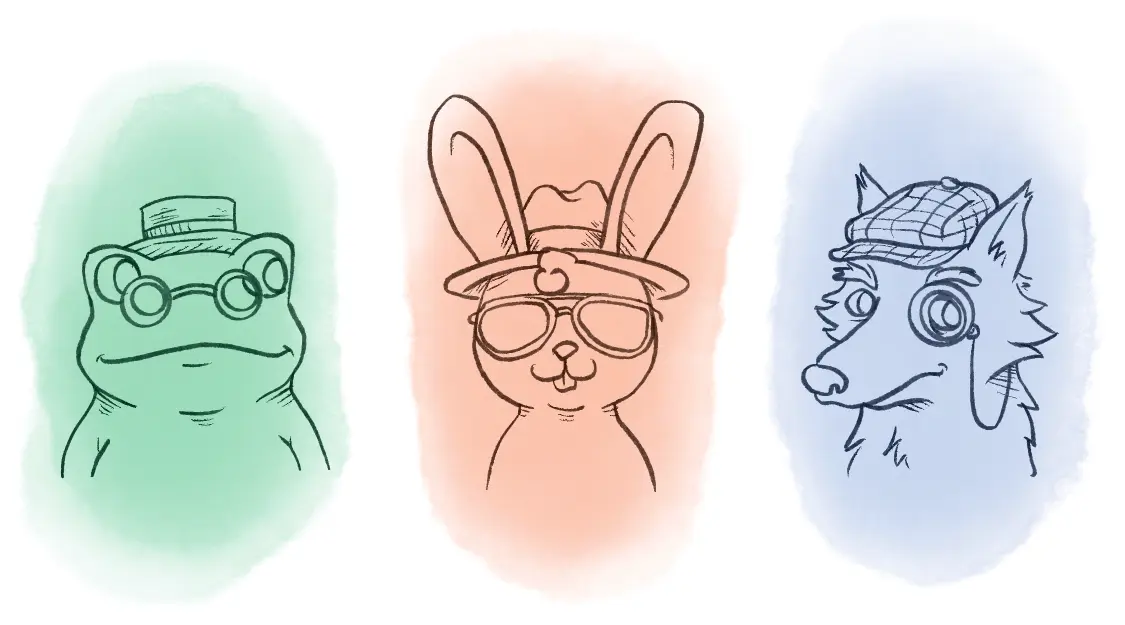
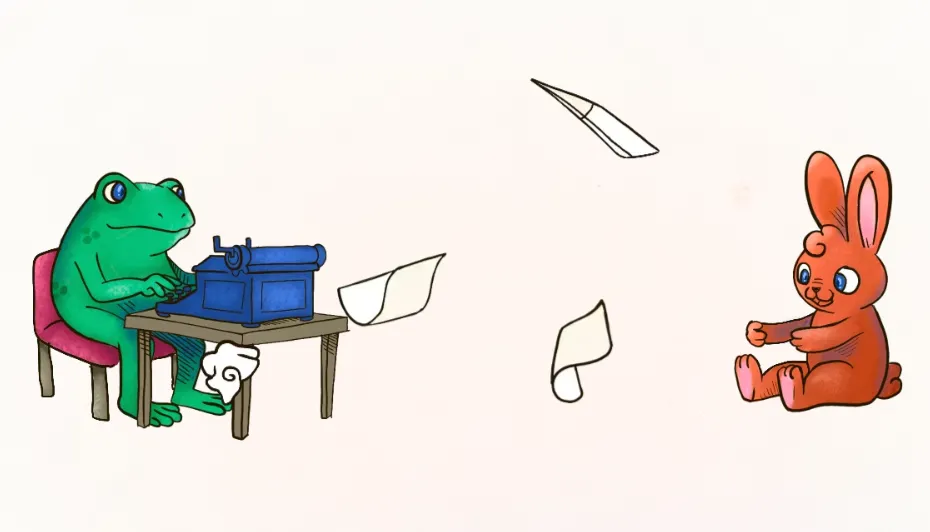
Dec 05 ⎯ We know, we know. We just sent an update a couple weeks ago, but we're a bunch of passionate individuals on a mission: to help you write more! Here's what we've been cooking: The Proofreaders Writing is hard, but it’s like going to the gym: it gets easier every day. You know what else a gym has? A coach! So we built not one, not two, but three super-cute coaches that will help you become a better writer. The image shows three hand-drawn cute animalsEach of these absolutely adorable mascots has one specific job: The frog helps you with grammar, the rabbit with conciseness, and the wolf with clarity, flow, and impact. You can find the proofreader as a tool in your article editor, in addition to the rest of the utilities. Curious how it works? Here's a video of Pau, our CEO, explaining it! Content Translation 🌐 The world is a wonderfully complex place, and we humans have found vastly different ways of expressing our experience: we call them “languages”. It only makes sense that a platform meant for humans to connect embraces that complexity. Some writers, like ourselves, are polyglots, which means that we not only understand and write in different languages, but also have an opinion on what works best in each. A screenshot that showcases the translation settings interfaceYou can now not only choose a language for your blog, but also a set of language translations you want to provide. This enables a new utility in your post toolbar called “translations”, which allows you to auto-translate articles and, most importantly, curate them to your liking. The readers’ experience will also be tailored to their liking: they will receive your posts in their desired language if available, helping you make deeper connections with your audience. Wait! There’s more ✨ Building a nice product is not only about adding new features, but also polish, polish, polish. Here are some other not-so-flashy updates that we are also proud of. Notes now allow tags for easier access and management. You will now occasionally receive emails with article topic suggestions based on your notes. Lots of tiny improvements for search engine discoverability, making you easier for robots (not only humans) to find! Of course, several bug fixes, interface refinements, and other quality-of-life improvements for you to enjoy! Thanks for reading! We hope these updates make it an even better time for you to start writing.
- update
-
Fika Challenge: Highlights from Weeks 2 and 3
Nov 29 ⎯ If you still don’t know what the Fika Challenge is, you can check it out here. You still have time, hurry up. It’s been two weeks filled with really interesting articles created in Fika, shared with others, and generating plenty of noise and genuinely satisfying reading moments. Here you’ll find the most original and interesting blog posts published over the last two weeks: (published between 15–28 of November) Azhù opens the week with a sharp collection of thoughts, observations, and tiny moments that hit surprisingly deep. A light read that leaves you thinking. https://azhu.fika.bar/weekly-snippets-1-01KA23C3JFV966DNBM5FG8YVSS Jacob looks back at the moment he chose to completely rewrite his future, sharing an honest, intimate snapshot of change, fear and clarity. A powerful, personal read. https://jacobbamio.fika.bar/the-year-i-decided-to-rewrite-my-future-01K9SYFER0STQ8SGNC2ZW5WEJQ Abba shares a grounded reflection on what it really means to “stay human” in a chaotic world, mixing warmth, honesty and a quiet push to slow down. A gentle, resonant read. https://abbaing.fika.bar/stay-human-01KA6HRSAMPTHERMB79C1Q9NKK Ray dives into the bittersweet tension between who we are and who we try to be, blending sharp insight with a vulnerable, almost nostalgic tone. A beautifully reflective piece. https://ray-garcia.fika.bar/the-pains-of-being-pure-at-heart-01KA435VVCJZ864GENFJ1219SK Genís embraces the chaos of creative flow, turning a messy writing session into a fun, self-aware exploration of how ideas actually take shape. Light, honest and relatable. https://genis.fika.bar/the-vibe-writing-mess-01KA8CTNA4AWCWYA3A27BWHSHP Willow shares a thoughtful look at what it means to raise kids when AI is part of everyday life, blending curiosity, humour and a grounded sense of responsibility. A smart, reflective read. https://dailyfieldnotes.fika.bar/raising-humans-in-the-age-of-chatgpt-01KAJRCHVH813Y10PN31P62K07 Aybée digs into why we’re strangely drawn to discomfort, mixing personal insight with a sharp, almost playful exploration of human behaviour. Bold, curious, and surprisingly uplifting. https://aybee.fika.bar/we-love-pain-seriously-01KAJFDYS7DCKWRX4S4RTXZ0YP Pedro breaks down a practical, developer-friendly way to review your AI agent’s work locally, offering a clear snapshot of how to debug, test and iterate faster. Concise, technical and genuinely useful. https://pedro.fika.bar/reviewing-your-agents-work-locally-with-g-01KANA06D42DGKJ1M6W97QYAER CRTD delivers a moody, intimate snapshot built around three “ghosts” that linger in memory, blending atmosphere, vulnerability and sharp visual storytelling. Haunting in the best way. https://crtd.fika.bar/crtd-3-ghosts-01KAPBZFBN08SZWAB90A1Z9DSY Daviz questions whether product design as we know it is reaching an end, blending sharp industry insight with a bold, provocative take on where the craft is headed. A punchy, thought-starter. https://daviz.fika.bar/esta-acabado-el-product-design-01K9STQ1990268GZ0K0NX1XWMW Álvaro offers a clear, accessible introduction to voice agents, breaking down how they work, why they matter, and where they're headed. A crisp, beginner-friendly tech explainer. https://atrancon.fika.bar/introduction-to-voice-agents-01KAXEMYF9EZF0VARNK6DQGVF3 Rene captures the universal struggle of simply sitting down to write, turning a familiar battle with resistance into a warm, honest reminder that starting is always the hardest part. A relatable nudge forward. https://renegalindo.fika.bar/sitting-down-is-the-hardest-part-of-writing-01KB27G429AB4RSD78MRYZQC8M Threes explores what strategy even means when the world feels “headless,” blending sharp analysis with a calm, thoughtful take on how to navigate uncertainty. A smart, grounded read. https://threes.fika.bar/strategy-in-a-headless-world-01KA3MDJ4HE41DTEXVDNJQETPX Genar reflects on the art of shifting perspective, moving between the big picture and the tiny details that shape it. A calm, insightful piece about seeing more by looking twice. https://genar.fika.bar/zoom-out-zoom-in-01KAQXGKBXJAZZ00DFJYEKWMVZ Gonzalo unpacks the messy reality of time-tracking at work and explains why it pushed him to build Susana, blending personal frustration with a sharp look at workplace culture. Practical, honest and eye-opening. https://gonzalo.fika.bar/el-dilema-del-control-horario-y-por-que-construi-susana-01KB31AJJ3WF60Y0TZQEDBRM4S Two weeks in, it is clear that writing becomes easier when we show up even on the days when inspiration feels far away. Keep sharing your thoughts, your drafts, your experiments and your strange ideas. Every post encourages someone else to start. Let’s fill the next week with even more voices and even more stories.

-
Fika November Update
Nov 25 ⎯ In Fika, we’re determined in our mission to help you write more and connect with other humans. Here’s what we’ve been carefully packing for you these last few weeks! Fika went multilingual! An image showcasing the different language choices in Fika's interfaceYou can now customize the language of Fika’s interface to your liking. We’ve started with just a few (we’re a small team!) but please let us know if you miss yours 💚. We also got localized versions of our public pages, like https://fika.bar/ca or https://fika.bar/pt. New “subscribe” block You can now place a block anywhere in the page to ask your readers to become subscribers when it best suits you. Exactly… Like this! ⬇︎ Note: You might not see the feature if reading from your e-mail. Of course, the subscribe experience will be tailored to your blog’s language, which, by the way, you can also set separately from the interface language in your blog’s settings. Voice notes & bookmarks Writing is a non-linear experience. Ideas might pop up into your mind while walking, doing the laudry, or while reading an article. Well, now you can capture them on the go via our new “Notes” feature. An image showcasing our "notes" feature, showing a few notes and bookmarks, as well as a voice recording functionality.Voice notes will get digested by Fika, and it’ll automatically extract insights and generate post ideas to nudge you into writing. Please try it out, it’s fun! Visual improvements on the editor The editor is where you’ll hopefully spend more time in Fika. We noticed it wasn’t cool enough, so we’ve reworked most of its interface to declutter it and make it easier for you to concentrate. We’ve also added a sidebar where you’ll be able to search your notes, and where you’ll see neat new features coming up Soon Enough ™. An image showing the new text editor in Fika, which has less visual noise.Other improvements We noticed some stability issues, and that’s not cool. So we’re also working hard on completely revamping Fika’s internals for you to have a best-in-class writing experience. If you experienced some issues, we hear you. Please bear with us while we fix them! What’s next? Choices, choices. We have so many ideas we can’t wait to deliver, including: Grammar correction and writing advice: Human content means human mistakes. We want to help you become better at writing by providing writing advice and grammar correction — without taking the pen from your hands. Social publishing: A way to streamline social publishing so you spend less time thinking about distribution channels and more time writing. Voice dictation: For those who are able to write articles in real time in their minds. Multi-language content: Why limiting your audience to a single language? We’re looking into ways to make your content more universally accessible to readers anywhere and everywhere. Custom domains and whitelabeling: For those who want the fika experience in their own awesome domain name. Phew, that was a lot, wasn’t it? Thanks for reading, and if you’re looking for your opportunity to start writing, remember we have a Writing Challenge going on!
- update