
6 Blog Writing Tips to Grow Your Audience
Whether you are just starting your blog or need a refresher on how to increase your traffic, these blog writing tips will help you grow.


Great blog posts connect with readers, solve problems, and help you build an audience. To grow online, your writing must be clear, helpful, and easy to read. This guide will walk you through how to create great content for your blog, but before we get into the actual blog writing tips and tricks, the first thing you need to keep in mind is that you need to know your audience.
Blog writing tip #1: Know your audience
Think about who will read your post and what they need. What questions do they have? What problems are they trying to solve? When you focus on what your readers are looking for first, your content will become useful and engaging, which is the first step to creating great blog content.
For example, if you write about parenting tips, join a parenting forum or social media group and see what real parents are asking. Ask the people around you whether online or in person what problems they face in their day-to-day, then address those exact issues in your post. Create a content calendar around those topics.
Blog writing tip #2: Find keywords to write about
Research keywords that your audience uses (the words they type into Google) and use them naturally in your title and throughout the body of your text. This is the key to optimizing for search. Using SEO best practices from the start helps people find your posts. Your main keywords will become the main topics you write about.
How to find keywords
If you do not have access to SEO tools like Ubersuggest or Semrush, a simple way you can research keywords is by browsing Google yourself.
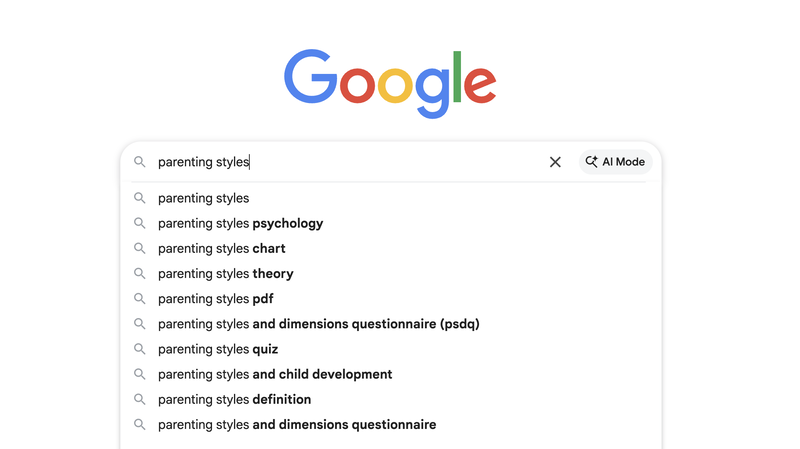
Going back to our example of writing about parenting tips, a free and simple way you can find not only keywords to use, but also topics to write about is by starting to type your topic into Google’s search bar. Autocomplete will give you a list of related keywords that you can use to brainstorm topics.
The second easiest way you can find related topics to write about is switching over to Google Images. Right under the search bar, you will see semantically related keywords that will immediately give you a complete cluster of topics.
Think about clusters this way: if your main topic is “parenting,” one of the larger branches of your tree is “parenting styles,” which would be a general introduction to the topic. The smaller branches that grow from your larger branches are your clusters. In this case, they can be separate articles on the different parenting styles.

Blog writing tip #3: Optimize for search with SEO
Even the best blog post needs to be found, and using keywords in the right way is how you can achieve that. But remember, you need to use SEO best practices without making your writing awkward to read. You are not only writing for Google, you are first and foremost writing for a human audience.
First, as outlined in the previous writing tip, you do simple keyword research by finding a term your audience is searching for that isn’t too competitive. Then, you include that keyword naturally in the title of your post, URL, headings, and sprinkled throughout the content.
Write your content first for people, then check that you’ve used your keyword in key places. Remember, search engines like Google rank pages that are actually useful and answer readers’ questions. So focus on providing your audience with value and clear answers. Including how-to steps, lists, or FAQs can rank well.
Blog writing tip #4: Structure your post clearly
A strong blog post has a clear structure that makes it easy and enjoyable to read, and clear structure is another important component of SEO.
Add a heading
Your article should have a catchy and clear headline and include your main keyword.
Write an intro
Write a short introduction for your post with a hook of some sort. Start by saying what the post is about and why it matters. The intro can be a surprising fact or a brief story that leads into the main topic.
Break up the body with subheadings
Organize the body of your text into sections that use subheadings logically. This makes it easier for readers to find what they want. Think of these as chapters of a book.
Include a short conclusion
End your article by summarizing the key takeaways or concluding your story in a way that makes sense. You can also use the conclusion to encourage action or remind the reader of the solution.
Add a call to action
Always include a clear next step for your readers. Ask your audience to share your post, leave a comment, or subscribe to your newsletter. You can see an example of a CTA banner below:
For example, “If you found this helpful, leave a comment below with your biggest takeaway!” or “Share this post if you know someone who needs these tips.” A CTA gives readers a bit of guidance on what to do next, and it also makes the post feel complete.
Blog writing tip #5: Use internal links logically
Using internal links is a blogging tip that helps SEO and your users. When you mention a topic you’ve written about before, link to that older post. This is easier to do when you have a significant amount of articles, and adding links can be an ongoing project you come back to from time to time.
Adding links keeps readers on your page longer and shows search engines that your site has authority on a topic. Just make sure that the links you add are relevant and helpful to your audience.
Blog writing tip #6: Proofread before publishing
Before you hit “publish,” edit and proofread your text carefully. Fix spelling, grammar, and clarity. Errors make readers trust you less.
Also trim any fluff. If a sentence or paragraph doesn’t add to your text and doesn’t help the reader, cut it. Every word should pull its weight. Reading your draft out loud can help you spot awkward phrasing.
A useful tip is to take a break after each draft and return later with fresh eyes. Writers often miss errors when they’re too close to the text.
Apply these tips to your writing!
Now that you have a set of blog writing tips, go out and write something. Use these tips and see how your traffic improves.
When readers can find your blog thanks to SEO and trust your content thanks to the hard work you put into creating quality content, your blog (whether on Fika or any platform) will gain traffic. Keep practicing and publishing consistently, and your online audience will increase over time.
.

Comments
No comments yet. Be the first to comment!